Why Does Your Bathroom Still Smell After You've Cleaned Everything?
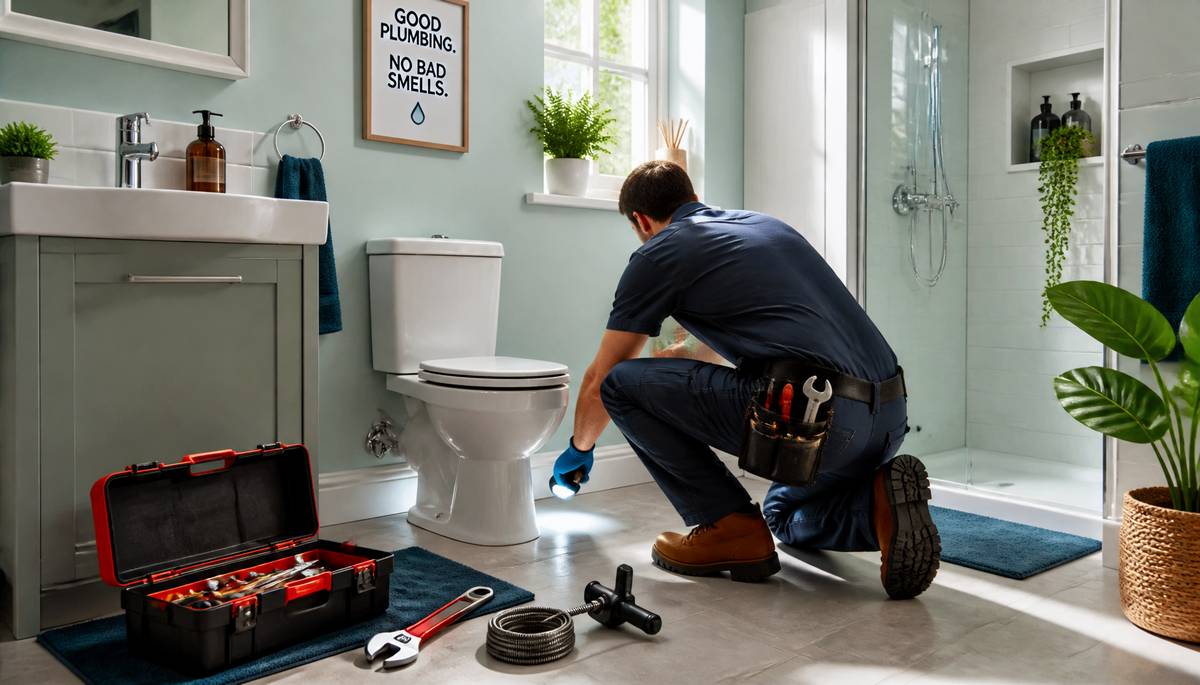 Your bathroom has been scrubbed so thoroughly that a forensic investigator would struggle to find evidence of human occupation. The toilet gleams, the tiles sparkle, the sink has received more attention than most family members, and enough disinfectant has been deployed to alarm the local environmental authorities. Yet an unpleasant smell persists. Worse still, it seems entirely indifferent to your cleaning efforts. Before purchasing another industrial-strength air freshener, consider an uncomfortable possibility. The problem might have very little to do with cleanliness and everything to do with plumbing.
Bathroom odours frequently originate from places that ordinary cleaning products cannot reach. Waste pipes, drainage traps, concealed connections and deteriorating seals can all release unpleasant smells into otherwise immaculate rooms. Identifying the source requires understanding how domestic drainage systems work, rather than simply increasing the frequency of attacks with a toilet brush.
When Your Drainage Trap Runs Dry
Most bathroom fixtures incorporate a drainage trap designed to prevent sewer gases from entering the property. These curved sections of pipe retain a small quantity of water, creating a physical barrier between the bathroom and the drainage network.
Unfortunately, water evaporates. Guest bathrooms, rarely used showers and neglected floor drains can gradually lose their protective water seals. Once the trap dries out, unpleasant gases have an unobstructed route into the room. The resulting smell can resemble sewage, rotten eggs or something that probably deserves its own classification under international chemical weapons legislation.
Fortunately, the solution is often remarkably straightforward. Running water into an infrequently used sink, shower or floor drain can restore the protective seal. If the smell disappears afterwards, evaporation was probably responsible. However, repeatedly drying traps may indicate additional problems involving ventilation, siphoning or damaged plumbing components.
Poorly Ventilated Waste Pipes
Drainage systems require adequate ventilation to maintain balanced air pressure as wastewater travels through the pipes. Without proper airflow, moving water can create pressure fluctuations that disturb the water seals inside drainage traps.
One warning sign is a gurgling noise when toilets are flushed or nearby fixtures are emptied. Another is an unpleasant smell appearing shortly after someone uses the shower or basin. These symptoms can indicate blocked vent pipes, unsuitable drainage arrangements or developing obstructions.
A bathroom extractor fan cannot necessarily solve these problems because it ventilates the room rather than the drainage system itself. Indeed, powerful extraction can occasionally make existing odour problems more noticeable by drawing air through defective plumbing connections.
Persistent gurgling, recurring trap failures or sewage smells affecting several fixtures should be investigated by a qualified plumber. Proper diagnosis may involve inspecting waste pipe configurations, checking ventilation arrangements and identifying partial blockages that interfere with normal drainage.
What Is Growing Inside Your Plugholes?
A spotless basin does not guarantee a spotless waste pipe. Soap residue, hair, toothpaste, skin oils and other organic material gradually accumulate inside bathroom drains. Bacteria break down these deposits, sometimes producing distinctly unpleasant odours.
The situation is particularly common around shower wastes and basin overflow channels, where damp conditions encourage bacterial growth. Cleaning the visible plughole may achieve little if the offending material remains several centimetres below the surface.
Where accessible, removable drain covers and traps can be inspected and cleaned using appropriate tools and mild cleaning products. Avoid indiscriminately mixing chemical drain cleaners, particularly bleach and acidic products, because dangerous gases can result. A little mechanical cleaning is generally preferable to conducting an unsupervised chemistry experiment beneath the bathroom sink.
When Toilet Seals Stop Doing Their Job
A toilet can appear perfectly clean while concealing a surprisingly unpleasant problem beneath its base. The connection between the toilet outlet and the drainage pipe relies on a watertight, gas-tight seal. When this connection deteriorates, shifts or becomes damaged, sewer gases can escape into the bathroom without producing an obvious water leak.
Common warning signs include persistent sewage smells around the toilet, occasional dampness near its base and movement when someone sits down. A toilet that rocks slightly may seem harmless, but repeated movement can compromise its drainage connection. Unfortunately, applying another generous layer of disinfectant will not persuade a damaged seal to reconsider its responsibilities.
A plumber can inspect the connection, replace defective seals and check whether the toilet requires more secure fixing. Persistent sewage odours should not be ignored, particularly when accompanied by visible leakage or damaged flooring.
Hidden Leaks and the Smell of Dampness
Not every bathroom odour originates from sewage. Musty, earthy smells often indicate moisture accumulating somewhere it should not. Small leaks behind bathroom cabinets, beneath baths or around shower enclosures can remain undetected for months.
Persistent moisture encourages mould and bacterial growth, particularly where ventilation is inadequate. Timber, plasterboard and other absorbent building materials may deteriorate long before visible staining appears. The resulting smell can survive even the most determined cleaning campaign because its source lies behind the finished surfaces.
Inspect accessible pipe connections, cupboard interiors and exposed areas beneath sanitary fittings. Look for damp patches, discolouration, swollen materials and unexplained moisture. Where concealed leaks are suspected, professional moisture testing may help locate the problem without unnecessarily dismantling the bathroom.
Learning to Recognise Different Bathroom Smells
Different odours can provide useful clues about their origins. A strong sewage smell often suggests problems with drainage traps, toilet connections or waste pipe ventilation. Musty smells generally point towards dampness, while sour or decomposing odours may indicate organic deposits accumulating inside drains.
Timing also matters. Smells appearing after flushing may suggest drainage pressure problems, while odours developing after several days of bathroom inactivity can indicate evaporated trap seals. Keeping track of when and where smells occur can make professional diagnosis considerably easier.
However, smell alone cannot establish a reliable diagnosis. Several plumbing faults produce similar symptoms, and more than one problem may exist simultaneously. Persistent or worsening odours deserve investigation rather than endless experimentation with increasingly aggressive cleaning chemicals.
Getting to the Bottom of the Smell
A sensible approach begins with simple checks. Run water through rarely used fixtures, clean accessible traps, inspect visible plumbing connections and ensure the bathroom receives adequate ventilation. Avoid dismantling concealed drainage components without understanding how they are connected.
If sewage odours persist, drainage fixtures repeatedly gurgle, or moisture appears around sanitary fittings, arrange a professional inspection. These symptoms can indicate defects requiring repairs rather than routine maintenance.
Ultimately, a bathroom should smell clean because its plumbing functions correctly, not because its occupants have surrendered to an endless campaign of chemical warfare. Sometimes the most effective cleaning equipment is not another bottle of disinfectant, but a plumber equipped with a torch, a few tools and a healthy suspicion of whatever is happening beneath the floor.
|
|
